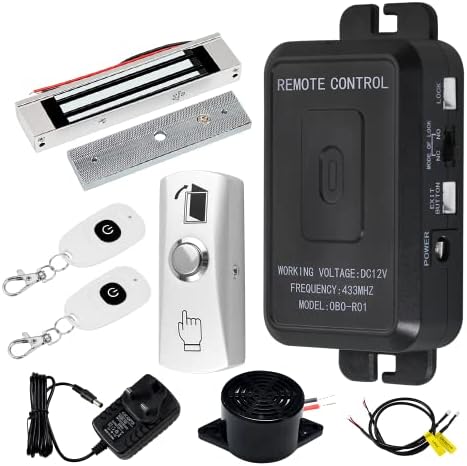
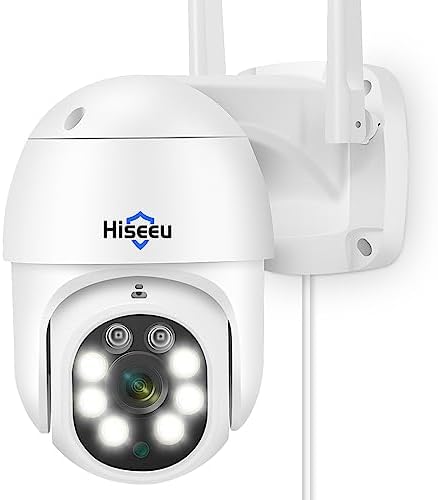
Understanding Security Access Control Systems
Security access control systems are critical components in safeguarding a business’s physical and intellectual assets. These systems regulate who can enter or exit specific areas within a facility, ensuring that sensitive or restricted zones are accessible only to authorized personnel. With the rise in security threats, businesses are increasingly recognizing the importance of implementing robust access control measures as part of their overall security strategy.
Access control systems can be broadly categorized into two types: physical and electronic. Physical access control involves the use of locks, keys, and barriers to restrict entry. While traditional, these measures can be labor-intensive and may lack the flexibility that businesses require. Conversely, electronic access control systems encompass sophisticated methods such as biometric recognition (fingerprint or facial recognition) and RFID (Radio Frequency Identification) technology. These methods not only enhance security through unique identifiers but also provide real-time tracking of personnel movement, helping businesses monitor and manage access effectively.
The integration of access control systems with other security measures amplifies their effectiveness. Surveillance cameras, alarm systems, and visitor management software can work seamlessly together to create a comprehensive security network. For instance, coupling access control with CCTV allows for real-time monitoring of entrances and exits, providing visual confirmation of authorized access. Additionally, when alarms are triggered, access control systems can restrict entry, creating an immediate response mechanism against potential threats. In businesses where data security is paramount, an integrated approach ensures that both physical and digital infrastructure are adequately protected.
Factors to Consider When Choosing an Access Control System
When selecting an access control system for your business, various critical factors must be meticulously evaluated to ensure optimal security and operational efficiency. One of the primary considerations is the specific security needs of the organization. Businesses must assess the type of sensitive data or assets that require protection and identify potential vulnerabilities. It is vital to understand the level of risks associated with unauthorized access and take appropriate measures to mitigate those risks through a tailored access control solution.
Another essential aspect to consider is the size and layout of the premises. Larger facilities may require more complex access control systems with multiple entry points, while smaller locations might suffice with a simpler setup. Analyzing the physical environment aids in determining the best installation strategy, ensuring that every vulnerable area is covered without creating undue complexity. Additionally, examining the organizational budget is crucial. Costs can vary significantly based on the system’s features, type of technology used, and installation costs. Therefore, businesses should weigh the total cost of ownership, including ongoing maintenance and potential upgrades, against their budget constraints.
Scalability is another important factor to consider, as businesses often evolve, and their security requirements may change over time. An ideal access control system should be adaptable, allowing for future expansions or modifications without substantial reinvestments. Moreover, user-friendliness will enhance the system’s overall effectiveness; systems that are complicated can lead to user errors and non-compliance. Maintenance considerations should not be overlooked, as regular upkeep is essential to ensure the system functions correctly. Lastly, the ability to integrate with other security systems—such as surveillance cameras or alarm systems—can significantly enhance overall security management through cohesive technology solutions.
Top Features to Look for in Access Control Solutions
When selecting an access control solution for your business, identifying the key features is essential to ensure optimal security and functionality. A robust system not only protects physical and digital assets but also facilitates smooth business operations.
One vital feature is the capability for remote access. This function enables authorized personnel to manage the system from anywhere, providing flexibility and allowing for quick responses to security incidents even when not on-site. With remote access, businesses can enhance security while embracing modern work practices.
Customizable access levels for different users are another critical component. A good access control solution allows administrators to grant specific permissions based on role or need, ensuring that sensitive areas are only accessible to authorized staff, thereby minimizing the risk of unauthorized access.
Real-time monitoring and alerts are also imperative. This functionality enables businesses to track who enters or exits at any given moment, providing an immediate security response if an anomaly occurs. Timely alerts can significantly mitigate potential risks by allowing staff to act quickly in response to suspicious activities.
In conjunction with monitoring, comprehensive audit logs serve as an invaluable feature. These logs document all access events, providing a historical record that can aid in investigations or compliance checks. They ensure accountability and transparency, essential for maintaining high security standards.
Data encryption capability is equally important in today’s digital landscape. Ensuring that sensitive information transmitted within the access control system is encrypted protects it from potential cyberattacks, safeguarding both the business and its clients.
Finally, adequate user support and training should be included in the overall access control solution. By equipping staff with the necessary training, businesses can enhance their ability to manage the system effectively, ensuring a higher level of operational security.
Making the Purchase: Where to Buy and Implementation Tips
When considering the acquisition of a security access control system for your business, it is essential to identify reputable vendors and suitable online marketplaces. Reliable sources such as established technology providers or specialized security companies have a proven track record in the industry. Well-known online marketplaces like Amazon, eBay, and dedicated security equipment websites can offer a variety of options, but due diligence is necessary to ensure the credibility of sellers. It is advisable to assess customer reviews and ratings, as they provide insights into product performance and vendor reliability.
Additionally, evaluating warranties and return policies can protect your investment. Many vendors offer warranties that cover defects or malfunctions, and a clear return policy can help resolve any issues with the equipment after purchase. Consulting with a professional in security systems can provide guidance on the best choices for your specific needs, especially if your organization has unique requirements.
Implementation of the security access control system is a crucial step that requires careful planning. It is often advisable to seek professional installation services to ensure proper setup. Trained installers are familiar with the intricacies of various access control systems, which can minimize potential issues and enhance system performance. After installation, investing time in training your staff is vital. A well-informed team can effectively use the system and follow established protocols, keeping security a top priority.
Establishing a routine for conducting security audits will also help maintain the effectiveness of your access control measures. Regular assessments can reveal any vulnerabilities and allow for timely updates or changes to protocols. By adhering to these guidelines for purchasing and implementing a security access control system, businesses can significantly enhance their security framework and protect their valuable assets efficiently.