Understanding Your Security Needs
When considering the installation of a home security camera system, it is essential to first evaluate your specific security needs. Various factors come into play, leading homeowners to opt for surveillance solutions. One primary motivation for installing a security camera system is burglary prevention. The presence of cameras can act as a deterrent, signaling to potential intruders that the premises are being monitored. Moreover, statistics indicate that properties equipped with visible security cameras are less likely to be targeted, thus providing valuable protection against unwanted intrusions.
Beyond preventing theft, some homeowners seek to monitor pets or children. Utilizing a camera system allows for constant supervision of your loved ones, granting peace of mind while gone. Whether you are at work or running errands, being able to check in via a mobile app adds an extra layer of security, enabling parents to ensure the safety of their children and overseeing pets’ behavior.
Another pertinent concern is package theft, which has become increasingly prevalent in today’s delivery-driven society. Many homeowners receive packages regularly, making them targets for “porch pirates.” Installing a strategically placed camera can help monitor package deliveries, providing a visual record that can be instrumental in resolving disputes regarding theft.
To make informed decisions, potential buyers should also assess their home’s unique characteristics—like size, number of entry points, and layout—as well as the crime rates in their neighborhood. Engaging with local crime statistics can guide homeowners in selecting the appropriate level of surveillance needed. Furthermore, understanding personal concerns and lifestyle can narrow down the options, ensuring that the chosen camera system effectively addresses specific security requirements.
Types of Security Camera Systems
When selecting a security camera system for your home, it is essential to understand the various types available on the market. Each system offers unique features and benefits tailored to different needs. The primary categories of security cameras include wired versus wireless cameras, indoor versus outdoor cameras, and smart camera systems.
Wired security cameras are connected directly to a recording device, often providing a more stable and consistent video feed. They typically offer superior image quality and reliability compared to their wireless counterparts. However, installing wired cameras can be cumbersome, requiring professional installation and extensive cabling to achieve optimal placement. Conversely, wireless security cameras are easier to install as they do not require invasive drilling or running cables throughout the property. They operate on Wi-Fi, allowing for flexible placement and mobility. While they boast convenience, wireless systems can be susceptible to interference and signal loss.
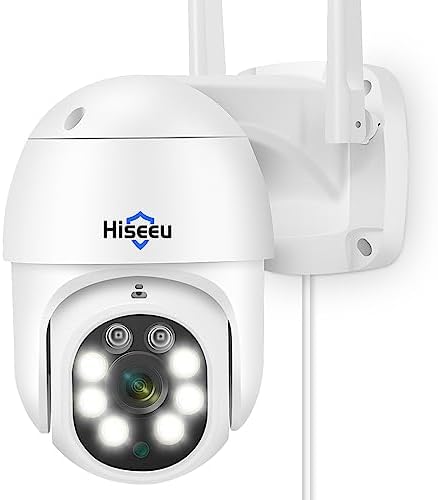
Indoor cameras are designed to monitor interior spaces, providing essential surveillance in vulnerable areas such as living rooms, nurseries, or entryways. They often include features such as night vision and motion detection. In contrast, outdoor security cameras are built to withstand harsher weather conditions and have more robust housing. They often come equipped with features such as infrared night vision and wide-angle lenses, ensuring extensive coverage of the property’s exterior. When selecting outdoor cameras, it is crucial to consider their weather resistance and ability to capture high-quality footage during low-light conditions.
Lastly, smart camera systems have revolutionized home security with their advanced features, including remote access, motion alerts, and integration with home automation systems. These cameras can often be monitored via smartphones or tablets, providing users with real-time updates on their property’s security status. However, they depend heavily on internet connectivity, which may present vulnerabilities. Understanding these different types can guide you in selecting the right security camera system that efficiently meets your specific security needs.
Key Features to Look For
When selecting a home security camera system, several essential features should be carefully considered to ensure comprehensive surveillance and security. One of the most critical factors is video resolution. High-definition (HD) video capabilities, particularly at 1080p or higher, provide clearer images that are crucial for identifying intruders or suspicious activity. A higher resolution typically results in better clarity, allowing homeowners to view details with precision.
Another vital feature is night vision capability. Since incidents can occur at any time, having a security camera system that offers infrared night vision ensures visibility in low-light conditions. This feature is especially important for outdoor cameras, which may need to monitor dark areas effectively.
Motion detection is also a key aspect of a security camera system. Advanced motion detection technology can differentiate between people, pets, and other objects, significantly reducing false alarms and notifying users only when necessary. This can be paired with customizable alerts sent to mobile devices, allowing homeowners to respond appropriately in real time.
Two-way audio functionality is becoming an increasingly sought-after feature. This allows homeowners to communicate with visitors or deter intruders through their security cameras, enhancing interactivity and control from afar. In addition, cloud storage options provide users with the ability to save and access footage remotely, securing valuable evidence in case of an incident.
Lastly, ease of access via user-friendly mobile applications is paramount. A well-designed app should provide simple navigation for viewing live feeds, adjusting settings, and reviewing recorded videos. With these key features, homeowners are better equipped to select a camera system that meets their specific security needs.
Budgeting for Your Security Camera System
When considering a security camera system for your home, budgeting is a critical factor that influences your purchase decision. The overall cost of a security setup can vary significantly based on several essential components, including camera quality, brand reputation, and the need for supplementary equipment.
The quality of the cameras plays a pivotal role in determining the price. High-definition cameras with advanced features such as night vision, motion detection, and cloud storage options tend to be on the higher end of the price spectrum. Investing in reputable brands is another factor to consider, as established manufacturers often provide more reliable products and better customer support, although this can result in a higher initial expenditure.
In addition to the cameras themselves, you may need to budget for extra equipment such as Digital Video Recorders (DVRs) or Network Video Recorders (NVRs), which are necessary for storing footage. If you plan to have multiple cameras, the cumulative cost can increase, requiring careful planning. Moreover, installation costs, whether you opt for professional installation or choose a do-it-yourself approach, should also be factored into your budget.
While it may be tempting to choose the most affordable options available, striking a balance between quality and cost is paramount. Investing in a robust security camera system can lead to long-term savings. For instance, enhanced security measures may lower your homeowners’ insurance premiums while providing peace of mind. Furthermore, a well-implemented system can deter potential criminal activity, reducing the risk of loss or theft in the first place.
As you evaluate your options, consider creating a budget that allows for flexibility. Assess your specific security needs and prioritize features that are essential for your home. By taking an informed approach to budgeting, you can invest wisely in a security camera system that meets both your needs and financial constraints.